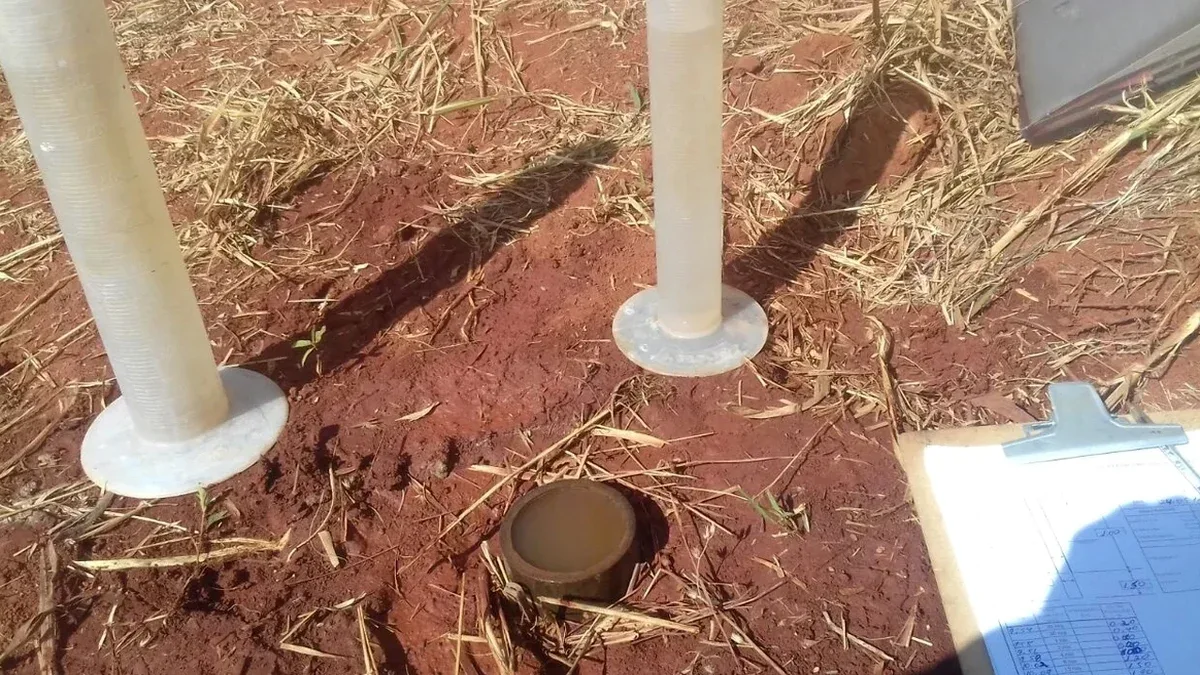
The contrast between Te Aro’s reclaimed flat and the ridgeline suburbs like Kelburn tells you everything about Wellington’s subsurface. In the CBD, you’re dealing with hydraulically placed reclamation over harbour muds—permeability can swing an order of magnitude across 50 metres. Up on the hills, the weathered greywacke behaves completely differently: tight rock mass with flow concentrated in joints and shears. When a contractor asks whether they can manage groundwater with sump pumping or need a formal dewatering system, that question gets answered with a field permeability test. We run both Lefranc (soil) and Lugeon (rock) methods depending on the material, often within the same borehole as the ground transitions from colluvium into bedrock. The data feeds directly into the groundwater control plan, which in Wellington is almost always a consent condition under the regional natural resources plan.
A single Lugeon test that shows increasing take with pressure is worth more than a dozen low-pressure tests—it tells you the rock mass is opening up, and your grouting strategy has to account for that.
Local ground factors
In Wellington, we often see projects where the borehole log says ‘greywacke, slightly weathered’ and the contractor assumes it’s tight rock. Then the excavation hits a shear zone running parallel to the Wellington Fault and the inflow jumps to 30 litres per second. That’s not hypothetical—we’ve seen it on basement excavations within 200 metres of the fault trace through Thorndon. The Lugeon test catches these features if you place the test interval correctly, but it requires a geologist who can read the core and identify the zones that matter. Getting it wrong means the dewatering system is undersized, the excavation floods, and you’re into emergency pumping and notified works under the resource consent. For retention structures in the CBD, we usually recommend at least three Lugeon tests across the depth of the proposed cutoff, with one deliberately targeting any fault-breccia zone visible in the core. The cost of a missed permeable feature in downtown Wellington far outweighs the cost of a thorough testing programme.
Common questions
What does a field permeability test cost in Wellington?
Budget between NZ$1,030 and NZ$1,720 per test interval, depending on depth, access and whether it’s a Lefranc in soil or a Lugeon in rock. The final figure varies with the number of intervals, the drilling method already on site, and how much packer setup time is needed. We provide a fixed quote once we’ve reviewed the borehole programme.
How do you decide between a Lefranc test and a Lugeon test?
It’s decided by the material at the test depth. Lefranc is used in soils—fill, alluvium, residual soil—where the borehole wall can be left open or slotted. Lugeon applies to rock, typically greywacke in Wellington, where you need a packer to isolate a section of the drill hole and inject water under controlled pressure. In a single borehole that transitions from colluvium into bedrock, we often run Lefranc in the upper section and switch to Lugeon once competent rock is reached.
How long does a typical permeability testing programme take?
A single Lefranc or Lugeon test takes 45 to 90 minutes once the interval is prepared, but you need to factor in the drilling time to reach the test depth. A programme of three to five Lugeon tests across a 30-metre borehole in greywacke typically completes within one field day, assuming the drill rig is on site and the zones of interest have been pre-selected from the core log. We always log the core first, then pick the intervals—never the other way around.