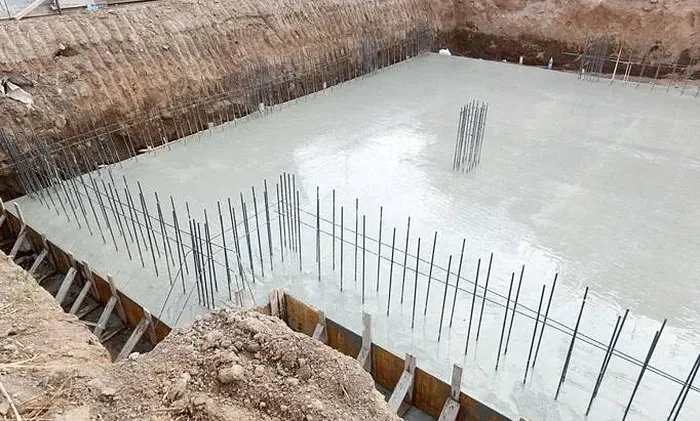
NZS 3604:2011 sets the baseline for residential footings across New Zealand, but Wellington’s geology demands more than a prescriptive approach. Greywhacke bedrock sits shallow in Thorndon and Kelburn, while the CBD and Te Aro rest on reclaimed land with highly variable fill. Wind speeds here are the highest in the country, confirmed by NIWA records at Hawkins Hill. That combination—steep terrain, loose fill, and extreme lateral loads—makes a site-specific bearing capacity analysis essential before any pour. We deliver shallow foundation designs that work with the ground, not against it. Our process starts with targeted test pits to log actual strata, because borelogs from two streets away won’t tell you what’s under your slab.
Wellington’s 0.40g seismic hazard and 55 m/s wind zone make shallow foundation design a performance-critical task, not a prescriptive checkbox.
Local ground factors
Wellington sits in New Zealand’s highest seismic hazard zone with a peak ground acceleration of 0.40g for a 500-year return period. More than 60 recorded faults lie within 50 km of the city, including the Wellington Fault which runs directly through the metropolitan area. A shallow footing on loose saturated sand has no tolerance for the excess pore pressure that builds during strong shaking. The 2016 Kaikōura earthquake reminded the region that significant ground motion can arrive from distant ruptures, not just local faults. Our designs incorporate the NZGS seismic bearing capacity reduction factors, and we always check liquefaction-induced bearing loss using the simplified procedure adapted from Boulanger and Idriss, calibrated to NZGS Module 4. When the factor of safety against bearing failure drops below 1.2 under seismic load, we specify ground improvement before the footing goes in.
Common questions
What's the cost for a shallow foundation design for a Wellington hillside build?
For a single residential lot on sloping ground, the design package typically ranges from NZ$3,600 to NZ$4,750. The final figure depends on site access, number of investigation points needed, and whether we’re dealing with cut platform or natural slope. The quote always includes the geotechnical investigation report, bearing capacity calculations, and construction-ready footing drawings.
How long does the design process take from site visit to stamped drawings?
Allow three to four weeks. Week one is site investigation—test pits or CPT soundings. Week two covers lab testing on recovered samples. Week three is analysis and drafting. We push to deliver the final package within 15 working days. Council consent processing time is separate and depends on Wellington City Council’s current workload.
Do you design rib raft slabs for TC2 and TC3 land in Wellington?
Yes. We follow the MBIE guidance for foundation design on Technical Category 2 and 3 land, which is common in eastern suburbs and reclaimed areas. The design includes specific ground beam depth, reinforcing schedule, and subgrade preparation requirements tied to the site’s NZS 3604 and NZS 1170.5 seismic parameters.